In recent years, the electric off-road motorbike market has witnessed explosive growth. The United States electric dirt bike market, for instance, is projected to reach $26.3 billion by 2033, with a compound annual growth rate (CAGR) of 8.68%. This rapid expansion is driven by technological innovation, rising consumer interest in sustainable recreational vehicles, government incentives, and expanding infrastructure. Manufacturers are capitalizing on youth participation, digital integration, and performance-focused designs to meet evolving market demands. This article will delve into the world of electric off-road motorbikes, exploring their definition, the reasons behind their popularity, their advantages over traditional gas-powered counterparts, common classifications, key considerations for choosing one, and future prospects.
What is an Electric Off Road Motorbike?
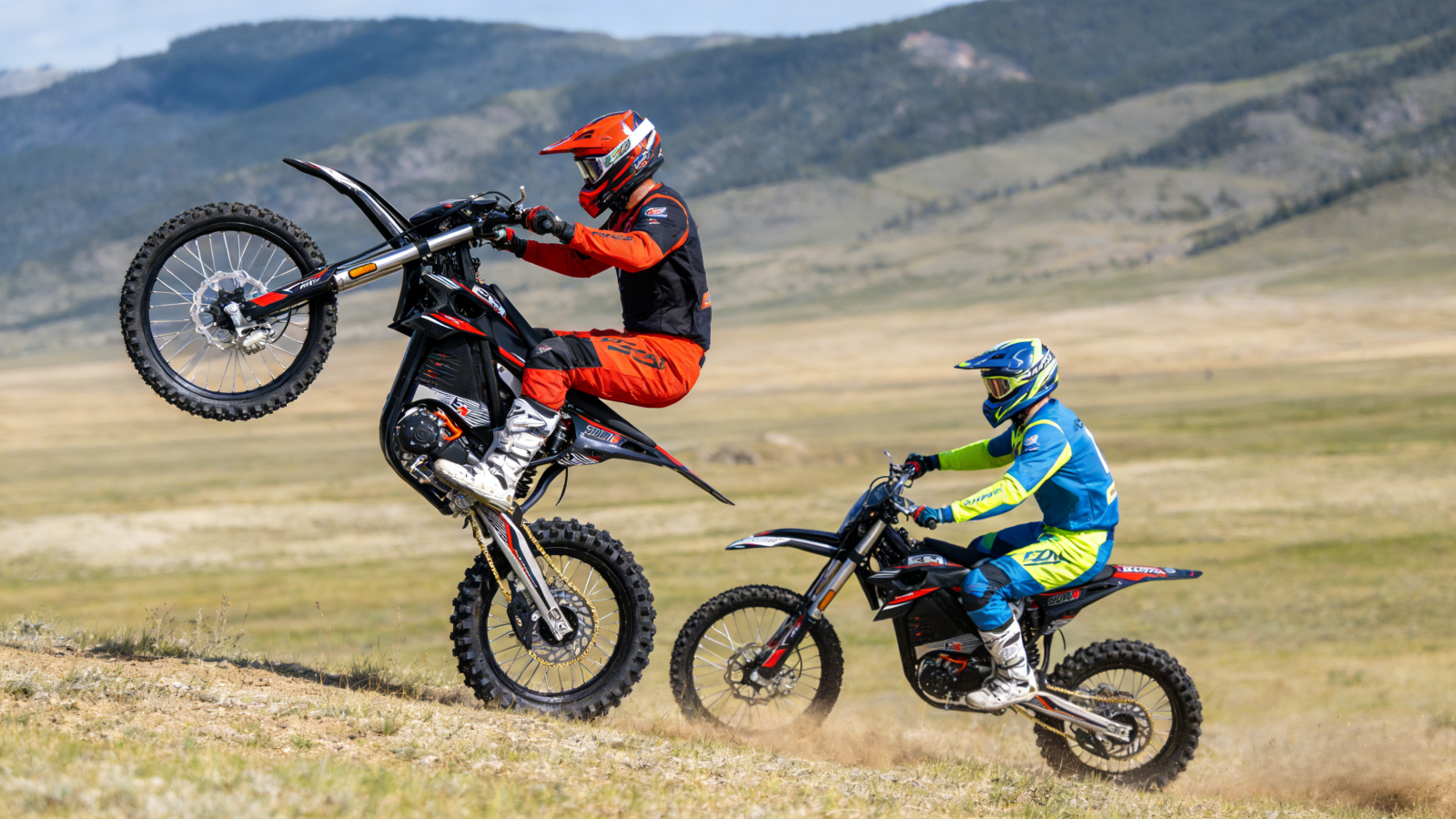
An electric off-road motorbike is a powerful vehicle designed for speed and adventure, tailored for off-road use. Unlike traditional motorcycles that rely on combustion engines, these bikes combine a powerful electric motor with traditional motorcycle components such as suspension systems and disc brakes. They are built to tackle rough terrain, trails, and tracks, offering a thrilling riding experience while minimizing environmental impact.
Reasons for the Booming Development
Environmental and Noise Considerations
Electric off-road motorbikes produce zero tailpipe emissions, aligning with the environmental values of many modern riders. This eco-friendly aspect is particularly appealing as concerns about climate change and pollution grow. Additionally, their silent operation is a game-changer for trail access. Riders can explore nature without disturbing wildlife or nearby communities, preserving riding areas often threatened by noise complaints. This also allows for training at unconventional hours and locations.
Performance and Riding Experience
Electric motors deliver 100% of their torque from zero RPM, providing explosive acceleration out of corners and unparalleled tractability on steep, technical climbs. The linear, controllable power band makes these bikes easier to handle for beginners and more precise for experts. Furthermore, the reduced maintenance requirements of electric motorbikes are a significant advantage. With fewer moving parts, no engine oil, filters, coolant, complex gearboxes, or clutches to service, long-term running costs and complexity are significantly reduced.
Accessibility and Affordability
Compared to electric road motorcycles, electric off-road motorbikes are generally cheaper to buy. They are also easier to ride, less intimidating for beginners, and often subject to less stringent licensing and regulation in many regions. Many models are priced similarly to or even below equivalent internal-combustion off-road bikes, with lower maintenance costs.
Advantages Over Traditional Gas-Powered Off-Road Motorbikes
Instant Torque and High Performance
Electric off-road motorbikes deliver instant acceleration thanks to their electric motors. Unlike traditional bikes, which require revving and shifting gears, electric models provide immediate torque, giving riders a thrilling and responsive experience. This instant power delivery is ideal for quick acceleration and consistent performance across various terrains.
Low Maintenance and Operating Costs
Maintaining an electric off-road motorbike is much easier than a gas-powered one. With fewer moving parts, no oil changes, and no need for fuel, riders can save time and money on maintenance. Fewer mechanical parts mean lower chances of breakdowns, and low operating costs compared to gasoline-powered bikes.
Long Battery Life and Fast Charging
Modern electric off-road motorbikes come with high-capacity lithium-ion batteries that offer impressive range and fast charging times. Many models can run for up to 2-3 hours on a single charge, making them ideal for trail riding and off-road adventures. Fast charging options reduce downtime, and regenerative braking helps extend battery life.
Common Classifications of Electric Off Road Motorbikes
By Age Group
Electric off-road motorbikes come in various types, each generally appropriate for riders of a different age group. For kids, the purpose is to familiarize them with cycling. Teenagers can enjoy a mixture of strength, safety, and fashion with less powerful models, while adults can opt for more powerful motors and larger batteries to withstand harsh conditions.
By Usage Scenario
- Electric Enduro Motorbikes: These are designed for endurance riding in rugged terrains, combining elements of motocross and trail riding. They feature larger battery capacities, more comfortable seating positions, and advanced suspension systems for stability and comfort during long rides.
- Electric Cross Motorbikes: Also known as electric motocross bikes, these are built for speed and agility on man-made tracks. They are the lightest and fastest among electric off-road options, optimized for quick acceleration and sharp turns.
Key Considerations When Choosing an Electric Off Road Motorbike
Motor Power & Torque
Higher wattage motors (e.g., 3000W+) provide better climbing ability and top speed. Ensure the motor power meets your riding needs and preferences.
Battery Range
Look for dual-battery systems or long-range options (50+ miles) for extended adventures. Consider how far you plan to ride and the availability of charging infrastructure.
Suspension System
Hydraulic front and rear suspension is crucial for a smooth ride on rugged terrain. A well-designed suspension system will improve comfort and control, especially during high-speed maneuvers.
Weight and Durability
Choose a bike with a lightweight yet strong frame, typically made from aluminum or carbon fiber. This ensures the bike can withstand rugged environments while remaining manageable on rough trails.
Safety Features
Modern electric off-road motorbikes come equipped with advanced safety features such as anti-lock braking systems (ABS), electronic stability control (ESC), and high-performance headlamps. These features enhance rider confidence and control in challenging conditions.
Future Prospects of Electric Off Road Motorbikes
Performance Parity and Beyond
By 2026, the “best” electric off-road bikes will have decisively surpassed equivalent internal combustion engine (ICE) bikes in key performance metrics: power-to-weight ratio, torque, and lap times on a motocross track. The debate will shift from “if” they are competitive to “which one” is best.
Battery Revolution
The next 2-3 years will see incremental but crucial improvements in battery technology. Longer ride times (moving from ~1-2 hour typical use to 2-3+ hours for serious trail riding) will be the holy grail. Fast-charging capability (to 80% in 30 mins or less) at tracks and trailheads will become a standard demand. Some brands or track facilities may experiment with swap-station models to eliminate range anxiety completely for closed-circuit use.
Market Segmentation & Specialization
The market will mature into clear segments:
- High-Performance MX/Enduro: Led by Stark VARG, KTM, and others, focused on professional and amateur racers.
- Trail/Recreational: Lightweight, user-friendly bikes with moderate power and maximum fun, from brands like Cake, Sur-Ron, and future entries.
- Adventure/Cross-Global: Longer-range, more robust bikes capable of mixed-surface travel, a segment yet to be fully defined but with huge potential.
The Rise of the “Connected” Dirt Bike
Advanced software will be a key differentiator. Customizable power maps, traction control, regenerating braking settings, and detailed ride data analytics via smartphone apps will be standard on premium models.
Consolidation & Partnerships
The capital-intensive nature of EV development will drive partnerships between startups and major OEMs, or lead to acquisitions. Supply chain stability for batteries and motors will become a key competitive advantage.
Secondary Market & Sustainability
As first-generation e-bikes age, a secondary market will emerge. The industry will need to address and publicize battery recycling and second-life programs to reinforce its environmental credentials and manage total cost of ownership.
Conclusion
Electric off-road motorbikes are not just a passing trend; they represent a significant shift in how we approach off-road adventures. With their eco-friendly operation, high performance, and reduced maintenance, these bikes offer a compelling alternative to traditional gas-powered motorcycles. As technology continues to advance and market demand grows, electric off-road motorbikes are poised to unlock new trails and opportunities for riders around the world. Whether you’re a seasoned off-road enthusiast or a beginner looking to explore the great outdoors, an electric off-road motorbike could be the key to your next thrilling adventure.
Related searches for Electric Dirt Bikes for adults