The Silent Revolution Roaring Through the Trails
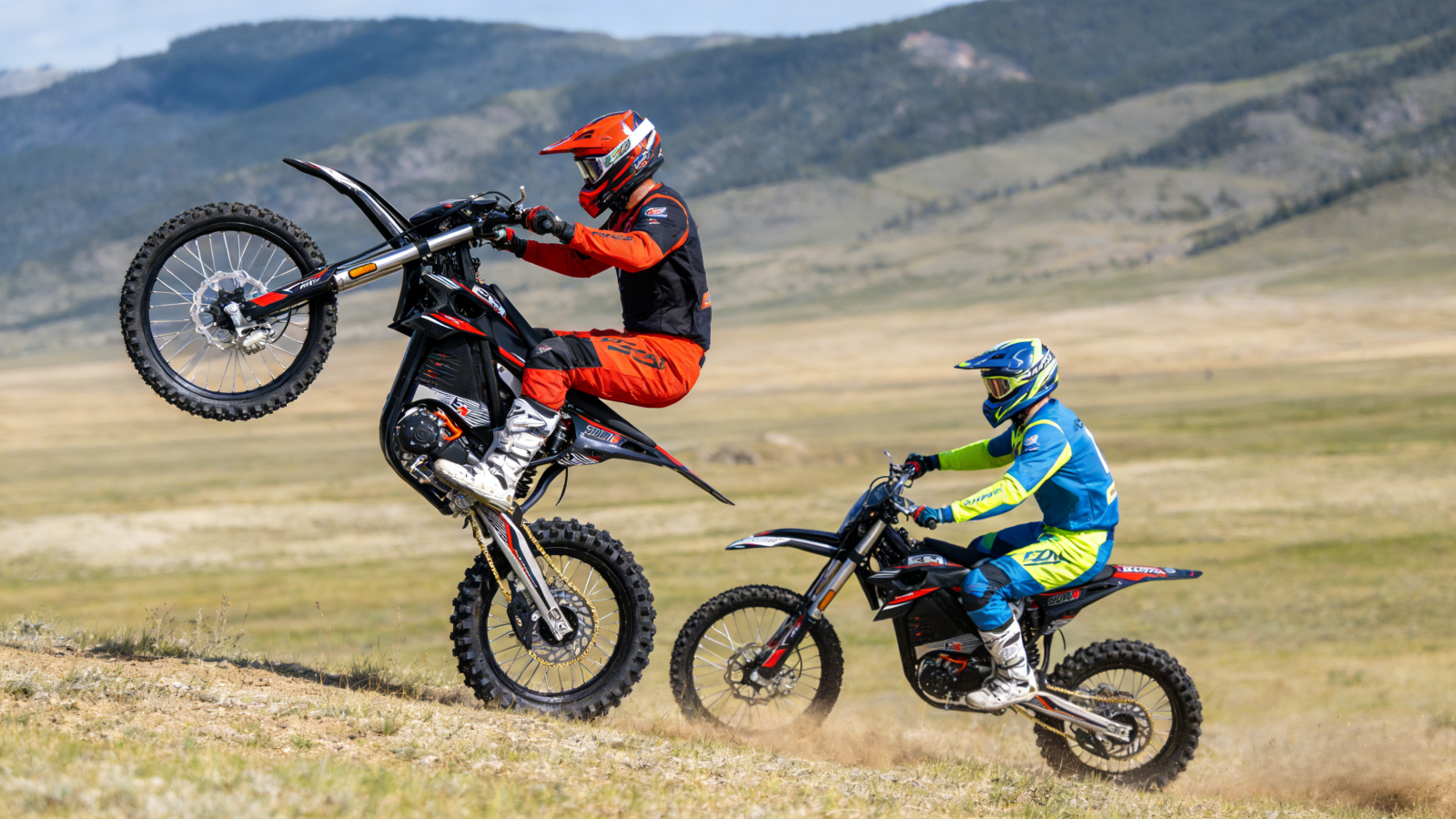
Picture this: You’re deep in the backcountry, navigating a technical single-track trail carved through dense forest. Your bike responds instantly to the slightest throttle input, pulling you up a rocky incline with zero hesitation. There’s no engine roar drowning out the sound of tires gripping dirt, no vibration numbing your hands, and no clutch lever burning out your forearm. Welcome to the world of electric enduro dirt bikes—a world where the rules of off-road motorcycling are being rewritten in real-time.
For decades, the dirt bike community operated under a simple assumption: if you wanted serious off-road performance, you needed gasoline. Two-strokes for the power-to-weight fanatics, four-strokes for the torque-hungry trail warriors. But as we roll through 2025, that assumption is crumbling faster than a loamy berm under knobby tires. Electric enduro dirt bikes aren’t just catching up to their gas-powered counterparts—they’re surpassing them in ways that matter most to riders.
The global market is speaking volumes. Electric dirt bike sales are growing at approximately 19% annually while gas-powered units are shrinking . Stricter U.S. noise regulations—capping sound at 94 decibels—and emissions standards are pushing manufacturers and riders toward electrification. But this isn’t just about compliance or environmental consciousness. This is about performance, pure and simple. So let’s cut through the noise (or lack thereof) and examine whether electric enduro dirt bikes can truly outperform gas machines.
The Torque Game: Where Electrics Dominate
If there’s one area where electric enduro bikes absolutely demolish gas-powered competition, it’s torque delivery. And in enduro riding—where technical climbs, rock gardens, and root-strewn ascents are the norm—torque is king.
Electric motors deliver 100% of their torque from 0 RPM. Let that sink in. The moment you twist the throttle, you have maximum twisting force at your disposal. No building revs, no clutch slipping, no hunting for the right gear. Just instant, brutal acceleration .
The Stark Varg, widely considered the current benchmark for electric enduro performance, exemplifies this advantage. With up to 80 horsepower and a claimed 938 Nm of torque at the rear wheel (though some experts question this figure due to gearing multiplication), the Varg delivers power delivery that can be customized via ride modes to suit different terrains and rider preferences . Compare that to a traditional 450cc four-stroke gas bike, where you need to keep the engine screaming in the upper RPM range to access peak power.
This instant torque transforms technical riding. Imagine approaching a slippery, rocky uphill climb on a gas bike. You’re juggling clutch control, throttle position, and gear selection, hoping you don’t stall or spin the rear wheel. On an electric enduro bike, you simply point and shoot. The motor provides linear, predictable power that maintains traction without the violent power pulses that can break loose on loose terrain .
Real-world testing shows that riders experience up to 22% less fatigue in technical terrain on electric bikes compared to gas models . This isn’t just about comfort—it’s about performance over time. Less arm pump means better control in the latter stages of a ride or race, when mistakes happen and championships are lost.
The physics behind this advantage is straightforward: Power equals torque multiplied by angular velocity. While gas engines need to spin up to generate meaningful torque, electric motors deliver peak force immediately. A 6,000W electric motor can generate 200 Nm of torque and accelerate from 0-30 mph in just 3 seconds, outpacing many gas equivalents .
The Weight and Handling Equation
Here’s where the conversation gets interesting. Conventional wisdom suggests that batteries make electric bikes heavy and cumbersome. Reality is more nuanced—and increasingly favorable to electrics.
Yes, battery packs add weight. A typical electric enduro bike might carry 50-80 pounds of lithium-ion cells. But here’s the crucial factor: weight distribution. Gas bikes concentrate their heaviest component—the engine—in a relatively high position, along with fuel that sloshes around and changes the bike’s handling characteristics as the tank empties. Electric bikes distribute battery mass low in the chassis, often along the bottom of the frame, creating a lower center of gravity .
This centralized mass makes electric enduro bikes feel lighter than their spec sheets suggest. The result is improved stability at speed, easier transitions between turns, and more predictable handling in technical sections. When you’re pivoting around obstacles or threading through tight trees, that low center of gravity becomes a significant advantage.
The Stark Varg, for instance, carries its battery mass strategically to optimize handling, while the Sur-Ron Ultra Bee—another popular electric enduro option—uses its lightweight frame (relatively speaking) to maintain agility that rivals gas-powered competitors .
Modern electric enduro bikes are also incorporating advanced materials to offset battery weight. Aerospace-grade aluminum frames, carbon fiber components, and innovative chassis designs are pushing dry weights into competitive territory. The Evoque Outlaw, for example, manages a loaded weight of 86kg (189 lbs) with an 88V50AH battery pack—comparable to many gas-powered enduro machines .
Maintenance: The Hidden Performance Factor
Here’s a truth that doesn’t get enough attention in performance discussions: a bike that spends less time in the shop spends more time on the trail. And electric enduro bikes are revolutionizing maintenance schedules.
Gas-powered enduro bikes are mechanical marvels, but they’re also maintenance-intensive. Oil changes every few rides. Air filter cleaning or replacement after dusty sessions. Spark plugs, valve adjustments, carburetor cleaning or fuel injection mapping, clutch plates, piston rings—the list goes on. Annual maintenance on a gas bike averages around $600 in parts and labor .
Electric enduro bikes? They have up to 70% fewer moving parts in their drivetrain compared to gasoline bikes . No oil changes. No spark plugs. No air filters. No valve adjustments. Your maintenance routine essentially boils down to keeping the chain lubricated, checking brake pads, and ensuring the tires are properly inflated . Annual service costs drop to around $200 .
But the performance implications go beyond cost savings. Electric bikes don’t suffer from altitude-related power loss—there’s no carburetor to re-jet or fuel injection to remap when you ride from sea level to 10,000 feet. They don’t bog down in cold weather or require choke adjustments. The power delivery remains consistent regardless of environmental conditions.
For competitive riders, this reliability translates to confidence. You can focus entirely on line selection and technique rather than wondering if your bike will make it to the finish without mechanical drama. In enduro racing, where a single DNF (Did Not Finish) can destroy a championship campaign, that reliability is a performance advantage.
The Sound of Silence: Access and Focus
The near-silent operation of electric enduro bikes isn’t just an environmental talking point—it’s a genuine performance advantage that opens new possibilities.
Traditional gas-powered enduro bikes generate 110+ decibels of noise pollution . That’s louder than a chainsaw, louder than a rock concert. This noise restricts riding areas, generates complaints from landowners, and limits trail access. As public lands become increasingly regulated, noise restrictions are shutting down riding areas across the country.
Electric bikes operate at around 60 decibels—quieter than normal conversation . This stealth factor allows riders to access trails where gas bikes are prohibited, extending riding seasons and opening new territories. More importantly for performance, the silence allows riders to hear terrain feedback. You can hear when tires start to break loose, when rocks shift under the front wheel, when the engine note changes on a gas bike—except there is no engine note to mask these critical audio cues.
The reduced noise also means less rider fatigue. Hours of exposure to 110-decibel engine noise is physically exhausting, even with proper hearing protection. Electric riders report being less mentally drained after long rides, maintaining better focus and decision-making when the trail gets technical .
Smart Technology: The Digital Advantage
Modern electric enduro bikes aren’t just replacing combustion with batteries—they’re integrating sophisticated electronics that enhance performance in ways gas bikes simply can’t match.
Take power mapping. The Stark Varg offers customizable power delivery through smartphone apps, allowing riders to adjust torque curves, throttle response, and power output on the fly . Beginners can dial back the aggression to build confidence; experts can unlock full race mode. Parents can even password-lock top speeds for younger riders .
This programmability means one bike can serve multiple purposes. The same machine that hauls you through a technical enduro section in the morning can be detuned for a casual trail ride with friends in the afternoon. Gas bikes require mechanical modifications—sprocket changes, exhaust swaps, carburetor adjustments—to achieve similar versatility.
Regenerative braking systems, common in premium electric enduro bikes, extend range by recapturing energy during downhill sections . This isn’t just about efficiency; it’s about control. The braking effect helps manage speed on steep descents without overheating traditional brakes.
Advanced battery management systems (BMS) monitor cell temperatures, voltage levels, and discharge rates in real-time, optimizing power delivery and preventing the performance-sapping heat soak that can plague gas bikes in extreme conditions . Some systems even feature moisture sensors and predictive maintenance alerts .
The Range Reality Check
If there’s one area where gas bikes still hold a clear advantage, it’s range and refueling. A gas-powered enduro bike can carry enough fuel for 50-100+ miles of hard riding and refuel in minutes at any gas station. Electric bikes typically offer 25-80 miles of range depending on terrain and riding style, with charging times ranging from 1-2 hours for fast charging to 6-8 hours for standard charging .
But context matters. Most recreational enduro rides cover 20-40 miles. Most training sessions last 2-3 hours. For these applications, modern electric bikes have sufficient range. The Evoque Outlaw claims 140km (87 miles) of range, while the Stark Varg offers competitive battery capacity for serious trail riding .
For competitive enduro racing—where events might span 50-150 miles—this remains the Achilles’ heel of electric technology. Until battery energy density improves significantly or rapid battery-swapping infrastructure becomes standard at race events, gas bikes will maintain this advantage for long-format competitions .
However, for the average rider—the weekend warrior hitting local trails, the enthusiast practicing at the motocross track, the adventure rider exploring backcountry loops—range anxiety is increasingly a non-issue. And charging infrastructure is expanding rapidly, with many trailheads and riding areas installing charging stations.
Cost Analysis: The Long Game
Performance isn’t just about lap times and hill climbs—it’s also about sustainability of ownership. And here, electric enduro bikes are making a compelling economic case despite higher upfront costs.
Charging a 2 kWh battery pack costs approximately $0.40. The same trail loop on gasoline burns $3-4 . Over a season of regular riding, fuel savings accumulate significantly. Factor in reduced maintenance costs—no oil, no filters, no engine rebuilds—and the total cost of ownership shifts dramatically in favor of electrics.
For commercial operations—rental fleets, guided tour companies, riding schools—the math is even more compelling. A rental fleet logging 250 hours per season can expect payback on the electric premium in under three years . The reduced maintenance means higher bike availability, and the quiet operation allows access to noise-restricted areas that gas bikes can’t touch.
The upfront cost remains a barrier—premium electric enduro bikes like the Stark Varg command prices comparable to high-end gas race bikes, while budget options from Chinese manufacturers like Sur-Ron offer more accessible entry points at around $4,000-6,000 . But as battery costs continue their downward trajectory and production scales up, price parity is approaching rapidly.
Real-World Performance: What the Riders Say
Industry reviews and rider testimonials paint a clear picture: electric enduro bikes aren’t just viable alternatives; they’re preferred tools for specific applications.
The Stark Varg has earned praise for its race-ready suspension and direct-drive gearbox, delivering power that embarrasses larger gas-powered bikes out of corners and up steep climbs . The Sur-Ron Ultra Bee, particularly when modified, offers a lighter, more nimble package that woods riders find superior to gas alternatives for technical trail work .
Professional riders note that the lack of clutch operation and gear shifting allows them to focus entirely on body positioning and line selection. The smooth power delivery reduces the violent chassis movements that can upset traction on gas bikes, particularly in slippery conditions.
However, experienced riders also acknowledge the learning curve. The instant torque requires recalibrated throttle control—whiskey throttle on an electric bike can send you over the bars faster than on a gas machine. And the silence, while generally advantageous, removes the auditory feedback that experienced riders use to judge engine load and traction limits.
The Environmental Question
No discussion of electric vehicles is complete without addressing environmental impact. While electric enduro bikes produce zero tailpipe emissions, the full environmental picture includes battery production and electricity generation sources.
Even accounting for battery manufacturing, well-to-wheel CO₂ emissions for electric dirt bikes are approximately half those of comparable 250cc four-stroke gas bikes . As the electrical grid incorporates more renewable energy, this advantage will only grow.
The noise reduction also has ecological benefits. Wildlife disturbance is significantly reduced, and trail access is maintained in environmentally sensitive areas where gas bikes face restrictions. For riders who value the natural environments they explore, this is a performance advantage of a different sort—sustaining the trails we love to ride.
The Verdict: Performance Redefined
So, can electric enduro dirt bikes really outperform gas? The answer is: it depends on how you define performance.
If your metric is sustained high-speed desert running or 100-mile hare scrambles without stopping, gas bikes still hold the crown. The energy density of gasoline and the speed of refueling remain unmatched for long-distance, high-intensity applications.
But if your definition of performance includes technical capability, acceleration, control, maintenance reliability, and access to diverse riding areas, electric enduro bikes don’t just compete—they dominate. The instant torque, reduced rider fatigue, lower maintenance requirements, and smart technology integration create a package that many riders find superior for the majority of real-world enduro applications.
The gap is closing rapidly. Battery technology improves by approximately 5-8% annually in energy density. Charging infrastructure is expanding. And manufacturers are investing heavily in electric platforms—Stark Future, Sur-Ron, Electric Motion, and traditional manufacturers like KTM with its Freeride E-XC are pushing the boundaries of what’s possible .
For the rider considering their next enduro bike purchase in 2025, the question isn’t whether electric bikes can perform—it’s whether your riding style can take advantage of their unique strengths. If you ride technical trails, value low maintenance, appreciate stealthy operation, and want the instant response that only electric torque can provide, the answer is clear.
The future of enduro isn’t just electric—it’s already here, quietly tearing up trails and leaving gas-powered competitors in its dust.