
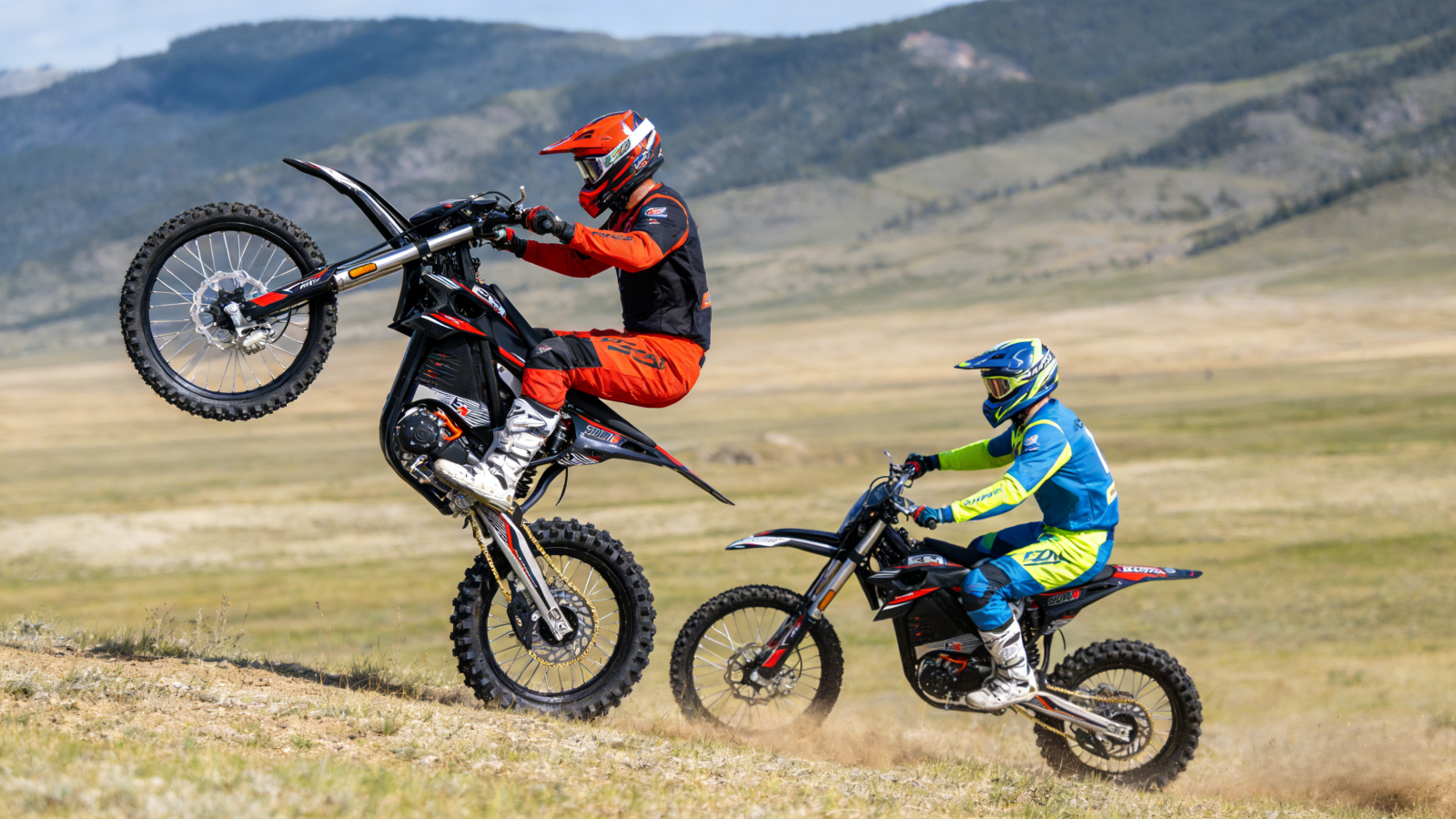
Introduction: The Quiet Revolution in Off-Road Mobility
The outdoor recreation and utility vehicle landscape is undergoing a profound transformation. As environmental consciousness grows and technology advances, adult electric ATV scooters are emerging as formidable alternatives to traditional gasoline-powered ATVs. These innovative machines combine the rugged capability of all-terrain vehicles with the stealth and efficiency of electric power, opening new possibilities for farmers, hunters, and fishing enthusiasts alike.
Leading this revolution is the Edge Moto I-X5, a powerful four-wheel-drive electric ATV scooter engineered specifically for adult users who demand both performance and versatility. With its robust 10KW motor system, 60V lithium battery options ranging from 50Ah to 80Ah, and impressive 300kg payload capacity, the I-X5 exemplifies how electric ATV scooters are redefining what’s possible in off-road transportation .
This comprehensive comparison explores how electric ATV scooters like the I-X5 stack up against their gasoline counterparts across three critical usage scenarios: agricultural work, hunting expeditions, and fishing adventures. We’ll examine the game-changing silent advantage that electric power provides, along with practical considerations that matter most to serious outdoor professionals and enthusiasts.
The Electric ATV Scooter: Understanding the Technology
Before diving into specific use cases, it’s essential to understand what distinguishes modern electric ATV scooters from both traditional ATVs and standard electric scooters. The Edge Moto I-X5 serves as an excellent reference point for this emerging category.
Technical Specifications That Matter
The I-X5 features a sophisticated four-wheel-drive system powered by four 1500W brushless hub motors, delivering a combined peak output of 10KW. This configuration enables the vehicle to reach speeds of 55km/h (approximately 34 mph) while maintaining the precise control necessary for technical terrain navigation. The ternary lithium battery system offers configurations from 60V 50Ah to 60V 80Ah, providing ranges between 65-80km (40-50 miles) on a single charge .
Key technical advantages include:
- Independent swing arm suspension: Front and rear progressive damping suspension systems adjustable for different terrain conditions
- Mechanical oil brakes: Reliable stopping power even in wet or muddy conditions
- 21-inch all-terrain vacuum tires: High-elasticity construction suitable for diverse surfaces
- Dual-mode operation: Switchable between 4WD and 2WD depending on traction needs
- 300kg carrying capacity: Sufficient for heavy loads including game, equipment, or agricultural supplies
Perhaps most importantly, the I-X5 offers two distinct configurations: a standing “E-ATV Scooter” mode for extreme sports and entertainment, and an “E-ATV Scooter with Trailer” configuration specifically designed for utility applications including farm work, hunting, and fishing .
Scenario 1: Agricultural Applications – The Silent Workhorse
Traditional Gasoline ATVs on the Farm
For decades, gasoline ATVs have served as indispensable tools for farmers and ranchers. Their ability to traverse rough terrain while hauling equipment, checking fence lines, and transporting supplies has made them ubiquitous in agricultural settings. A typical 850cc gas ATV can tow 1,000-1,500 pounds and carry 200-500 pounds on its racks, with a fuel range of 80-100 miles per tank .
However, gasoline ATVs present several challenges in agricultural environments:
Noise Pollution and Livestock Disturbance: The 70-90 dB operating noise of gas ATVs can stress livestock, disrupt feeding patterns, and spook animals during sensitive operations like birthing or veterinary care. Farmers often report that cattle and horses require time to acclimate to the sound of approaching gas vehicles, potentially delaying time-sensitive tasks.
Maintenance Demands: Agricultural work exposes vehicles to dust, mud, and extreme temperature variations. Gasoline ATVs require frequent oil changes (every 100-150 operating hours), air filter replacements, spark plug changes, and carburetor cleanings. These maintenance intervals often coincide with critical farming seasons, creating inconvenient downtime .
Fuel Costs and Storage: With average fuel efficiency of 10-15 mpg and current gas prices, operating a gas ATV for 100 miles costs approximately $23-$35. Additionally, farms must maintain fuel storage facilities with appropriate safety measures, adding operational complexity .
Electric ATV Scooters: The Farm-Friendly Alternative
The Edge Moto I-X5 and similar electric ATV scooters offer compelling advantages for agricultural applications:
Silent Operation Protects Livestock: Operating at noise levels comparable to normal conversation (30-40 dB), electric ATV scooters allow farmers to approach livestock without causing stress or panic. This stealth capability proves invaluable during calving season, when checking on animals without disturbing them can mean the difference between life and death for newborn livestock. The silent approach also enables more effective predator monitoring without alerting wildlife to human presence .
Instant Torque for Heavy Loads: Electric motors deliver maximum torque from zero RPM, providing superior pulling power for hauling hay, feed bags, or equipment trailers. The I-X5’s 10KW peak output and 300kg carrying capacity handle most farm tasks with ease, while the optional trailer configuration expands utility for bulk material transport .
Reduced Maintenance Burden: Without oil changes, spark plugs, air filters, or fuel systems to maintain, electric ATV scooters significantly reduce downtime. The primary maintenance requirements involve brake pad replacement (every 2-3 years under normal use), tire inspection, and periodic battery health checks. This simplicity proves especially valuable during planting and harvest seasons when equipment reliability is paramount .
Cost Efficiency: Operating an electric ATV scooter costs approximately $2.60 per 100 miles based on average electricity rates of $0.13/kWh—a fraction of the $23-$35 required for gasoline equivalents. Over a 7-year ownership period, total cost of ownership (including one battery replacement) averages $20,409 compared to $21,099 for a comparable gas ATV, despite the electric model’s slightly higher initial purchase price .
Environmental Compatibility: For farms pursuing sustainable agriculture certifications or operating near sensitive watersheds, electric ATV scooters produce zero direct emissions. This environmental profile aligns with regenerative farming practices and eliminates the risk of fuel spills contaminating soil or water sources.
Scenario 2: Hunting Applications – The Ultimate Stealth Advantage
The Critical Importance of Silence
For hunters, success often depends on approaching game undetected. Wildlife possesses exceptionally acute hearing; deer can detect sounds from hundreds of yards away and will flee at the first indication of human presence. Traditional gasoline ATVs, despite their utility for accessing remote areas, create significant disadvantages through noise pollution.
Noise Impact on Game: Gasoline ATVs operate at 70-90 dB—comparable to a lawn mower or busy traffic. This noise travels far in quiet wilderness environments, alerting game well before hunters reach their stands. Research indicates that whitetail deer can detect ATV noise from over a mile away under optimal conditions, causing them to alter movement patterns or abandon areas entirely .
Pre-Dawn and Dusk Limitations: The prime hunting hours of early morning and late evening coincide with atmospheric conditions that carry sound further. A gas ATV starting in the pre-dawn darkness can spook every animal within a half-mile radius, rendering nearby stands ineffective for hours or days.
Electric ATV Scooters: The Hunter’s Secret Weapon
The Edge Moto I-X5 addresses these challenges through near-silent operation, creating transformative advantages for hunting applications:
Undetected Approach: Operating at just 30-40 dB—comparable to a person walking or a bicycle—the I-X5 allows hunters to approach stands, blinds, or stalking positions without alerting game. This stealth capability proves especially valuable for bow hunters who must get within 30-40 yards of their quarry, and for turkey hunters where calling sequences require precise positioning without disturbance .
Extended Range Access: With a 65-80km range and the ability to carry spare batteries, the I-X5 enables hunters to access remote areas previously requiring overnight pack trips. The 4WD capability handles steep logging roads, muddy trails, and snow-covered paths, while the compact size (1700×1010×1400mm) navigates tighter spaces than full-sized ATVs.
Game Retrieval Capabilities: The 300kg payload capacity and optional trailer configuration allow hunters to extract harvested game efficiently. While gas ATVs maintain an advantage for extremely large animals like elk or moose, the I-X5 handles deer, wild boar, and antelope with ease. The silent operation also means multiple trips to pack out quartered large game won’t disturb the area for future hunts .
Scouting Effectiveness: Beyond the hunt itself, electric ATV scooters excel at pre-season scouting. Wildlife behavior remains natural in the presence of a silent electric vehicle, allowing hunters to observe feeding patterns, bedding areas, and travel corridors without altering animal behavior. This observational advantage translates directly to improved success rates during hunting season.
Regulatory Access: Many public hunting lands restrict or prohibit gas-powered vehicles to preserve wilderness character and prevent erosion. Electric ATV scooters often qualify for access to “non-motorized” or “restricted” areas where gas ATVs are banned, opening exclusive hunting opportunities on public lands .
Scenario 3: Fishing Applications – Accessing the Inaccessible
Reaching Remote Waters
Serious anglers know that the best fishing spots often lie at the end of the most difficult access routes. Remote lakes, backcountry streams, and secluded river sections may require traversing rough terrain where conventional vehicles cannot venture. Both gasoline ATVs and electric ATV scooters serve as fishing access tools, but with distinct trade-offs.
Gasoline ATVs: Power vs. Disturbance
Gasoline ATVs offer proven capability for reaching remote fishing destinations, with excellent range (80-100 miles) and the power to haul boats, float tubes, and extensive gear. However, their noise signature creates significant drawbacks:
Spooking Fish: Sound travels efficiently through water, and the vibrations from a gas ATV’s engine can disturb fish in nearby waters. In clear, shallow streams or still lakes, fish may flee to deep water or cover and remain inactive for hours after an ATV passes nearby.
Wildlife Interference: Fishing often involves early morning and evening hours when wildlife is most active. The noise of a gas ATV can disrupt the entire ecosystem, affecting not just fishing success but the quality of the wilderness experience.
Electric ATV Scooters: The Angler’s Advantage
The Edge Moto I-X5 provides fishing enthusiasts with unique capabilities:
Silent Shoreline Approach: The electric motor’s whisper-quiet operation allows anglers to approach shorelines, riverbanks, and lake edges without sending vibrations through the water. This stealth factor proves crucial when targeting species like trout, bass, or walleye that are sensitive to bankside disturbance. Anglers can position themselves optimally without alerting fish to their presence.
Gear Transport Efficiency: The 300kg carrying capacity accommodates fishing kayaks, inflatable pontoon boats, tackle boxes, coolers, and camping equipment. The optional trailer configuration enables transport of larger watercraft or multiple anglers’ gear to remote launch points .
Water-Friendly Operation: Unlike gas ATVs with exposed exhaust systems and air intakes that can be damaged by water ingestion, the I-X5’s sealed electric components offer better resistance to stream crossings and wet conditions. The IP-rated waterproofing of modern electric ATV scooters allows safer passage through shallow water obstacles that would stall or damage gas engines.
Sustainable Fishing Ethics: Catch-and-release anglers and conservation-minded fishermen appreciate the zero-emission profile of electric ATV scooters. There’s no risk of fuel or oil contamination to pristine waters, aligning with Leave No Trace principles and protecting aquatic ecosystems.
Extended Stay Capability: With solar charging options or portable generators, electric ATV scooters can be recharged at remote base camps, enabling multi-day fishing expeditions without returning to civilization for fuel. The I-X5’s 8-10 hour charging time from standard outlets fits conveniently into overnight camping schedules .
Comparative Analysis: Making the Right Choice
Performance Metrics
| Feature | Electric ATV Scooter (I-X5) | Gasoline ATV (850cc Class) |
|---|---|---|
| Top Speed | 55 km/h (34 mph) | 80-100 km/h (50-62 mph) |
| Range | 65-80 km (40-50 miles) | 130-160 km (80-100 miles) |
| Noise Level | 30-40 dB | 70-90 dB |
| Carrying Capacity | 300 kg (660 lbs) | 200-500 kg (440-1,100 lbs) |
| Towing Capacity | 300+ kg with trailer | 450-680 kg (1,000-1,500 lbs) |
| Operating Cost/100 miles | ~$2.60 | ~$23-35 |
| Maintenance (Annual) | $50-150 | $300-600 |
| Environmental Impact | Zero emissions | 10-15 mpg, exhaust emissions |
When to Choose Electric
The Edge Moto I-X5 and similar electric ATV scooters excel when:
- Stealth is paramount: Hunting, wildlife photography, or livestock management requiring minimal disturbance
- Operating costs matter: High-frequency use where fuel and maintenance savings accumulate
- Environmental sensitivity: Operations near water sources, in protected areas, or on sustainability-focused properties
- Maintenance simplicity: Users lacking mechanical expertise or facilities for engine maintenance
- Regulatory restrictions: Access to non-motorized trails or emission-restricted areas
When Gasoline Prevails
Traditional gas ATVs remain superior for:
- Extended range requirements: Multi-day backcountry trips beyond 50 miles from charging infrastructure
- Extreme heavy hauling: Regular transport of elk, moose, or heavy equipment exceeding 500kg
- Rapid refueling needs: Applications where downtime for charging is unacceptable
- High-speed transit: Situations requiring rapid coverage of large areas (though this often conflicts with stealth needs)
The Future of Electric ATV Scooters
The Edge Moto I-X5 represents just the beginning of electric ATV scooter evolution. Emerging trends include:
Battery Technology Advances: Solid-state batteries promise to double energy density within 5-7 years, potentially extending ranges to 150+ miles while reducing charging times to under 2 hours.
Solar Integration: Foldable solar panels designed for ATV scooter deployment will enable field charging during extended backcountry stays, addressing range limitations for hunting and fishing expeditions.
Smart Features: GPS tracking, terrain mapping, and automated trail logging will enhance navigation and security for remote area users.
Expanded Accessory Ecosystem: Specialized trailers, game carriers, and equipment mounts designed specifically for electric ATV scooters will expand their utility across farming, hunting, and fishing applications.
Conclusion: The Silent Advantage Wins
The comparison between adult electric ATV scooters like the Edge Moto I-X5 and traditional gasoline ATVs reveals a clear pattern: for applications where stealth, environmental compatibility, and operating efficiency matter, electric technology delivers decisive advantages.
For farmers, the silent operation protects livestock and enables closer interaction without stress. For hunters, the near-silent approach transforms success rates by allowing undetected positioning and preserving natural game behavior. For anglers, the zero-emission, vibration-free access protects pristine waters while reaching remote fishing destinations.
While gasoline ATVs retain advantages in raw power and range for specific extreme applications, the Edge Moto I-X5 demonstrates that modern electric ATV scooters have evolved to handle 90% of real-world farming, hunting, and fishing tasks more effectively—and always more quietly—than their combustion counterparts.
As charging infrastructure expands and battery technology improves, the silent advantage of electric ATV scooters will only grow more compelling. For the modern outdoor professional or enthusiast, the choice increasingly favors the quiet revolution represented by machines like the I-X5—proving that sometimes, the most powerful statement is made in silence.
Ready to experience the silent advantage? Explore the Edge Moto I-X5 and discover how electric ATV scooter technology can transform your farm work, hunting success, and fishing adventures.