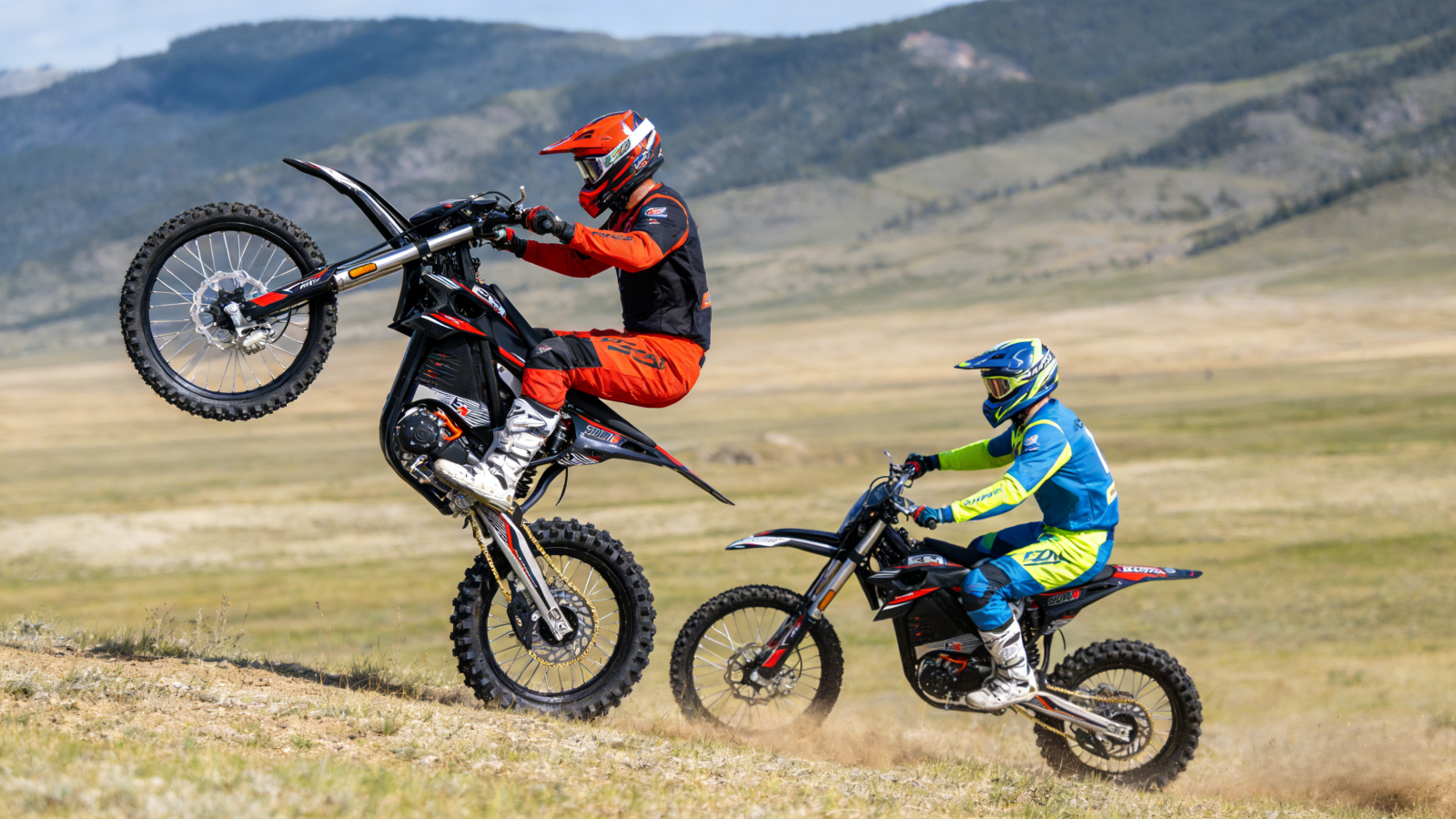
Introduction: The Electric Roar in American Wilderness
Picture this: You’re deep in the Mojave Desert, surrounded by sprawling dunes and rugged canyons. The silence is profound—until a faint, futuristic hum emerges, growing steadily louder. Suddenly, a sleek, aggressive motorbike crests a sand dune, kicking up dust as it navigates the terrain with precision. Yet, there’s no thunderous engine roar, no smell of gasoline—only the powerful, controlled whir of an electric motor. This is the new face of off-road adventure in America: the rechargeable, powerful electric off-road motorbike.
Across the United States, from California’s Glamis Dunes to the Appalachian trails, a revolution is underway. Electric off-road motorcycles are transforming how Americans experience adventure sports, combining raw power with environmental consciousness. These machines represent not merely an alternative to gas-powered dirt bikes but a fundamental reimagining of off-road performance, accessibility, and responsibility.
The Technology Behind the Revolution
Motor and Power Delivery
At the heart of every electric off-road bike lies its electric motor—typically a brushless DC motor renowned for durability and efficiency. Unlike internal combustion engines that require time to build torque through RPMs, electric motors deliver 100% of their torque instantly from zero RPM. This translates to explosive acceleration that can launch riders up steep inclines or through technical obstacles with unprecedented responsiveness. Top American models like the Alta Redshift (though now defunct, its legacy continues) and current offerings from Zero Motorcycles and startups like Cake and Sur-Ron produce power equivalent to 250-450cc gasoline bikes, with some high-performance models exceeding 50 horsepower.
The power delivery is not just immediate but also precisely controllable. Advanced ride-by-wire systems allow riders to select different power maps—from a tame “rain mode” for beginners to aggressive “race mode” that unleashes the bike’s full potential. This programmability makes one bike adaptable to various skill levels and terrains.
Battery Technology and Range
The most critical component is the rechargeable lithium-ion battery pack. Modern off-road e-bikes typically feature packs ranging from 5 kWh to 18 kWh, providing between 1.5 to 6 hours of ride time depending on terrain and riding style. Battery technology borrowed from electric vehicles continues to evolve, with energy density improving approximately 5-8% annually. Many manufacturers utilize either Samsung or Panasonic 18650 or 21700 cells arranged in sophisticated configurations with integrated battery management systems (BMS) that monitor temperature, cell balance, and health.
Range anxiety—the fear of running out of power far from civilization—remains a consideration, but strategies have emerged. Many riders carry portable “range extender” batteries, plan routes with charging opportunities, or use solar charging setups for multi-day expeditions. The average trail rider finds 40-80 miles of range sufficient for most day trips.
Charging Infrastructure and Flexibility
Charging an electric dirt bike is remarkably simple: plug into any standard 110V household outlet for a full charge in 4-8 hours, or use a 220V Level 2 charger for 2-4 hour charging times. This accessibility means riders can charge at home, at trailheads with power, or even using portable generators. Unlike gasoline, there’s no need to locate specialty fuels in remote areas. Some innovative riders have begun equipping their trucks with inverter systems to charge bikes while transporting them to riding locations.
Frame and Component Design
Unburdened by the need to accommodate an engine, transmission, and exhaust system, electric off-road bikes benefit from innovative chassis designs. The battery pack typically sits low in the frame, creating a center of gravity that enhances stability and handling. Many models feature adjustable suspension components from premium brands like Öhlins and Fox, capable of absorbing the impacts of jumps and rocky trails. Regenerative braking not only recovers energy but also provides engine braking-like effects on descents.
Why America Is Embracing Electric Off-Road Riding
Environmental Consciousness Meets Adventure
America’s vast public lands—managed by entities like the Bureau of Land Management (BLM) and the U.S. Forest Service—face increasing pressure from recreational use. Electric off-road bikes produce zero direct emissions, reducing their environmental impact on trails and sensitive ecosystems. They operate almost silently at lower speeds, minimizing noise pollution in natural areas—a significant concern as trail access faces restrictions near residential areas. This environmental benefit resonates deeply with a new generation of riders who want to enjoy nature without degrading it.
Performance Advantages
Riders are discovering that electric powertrains offer distinct performance benefits:
- Instant Torque: The ability to rocket out of corners or climb seemingly impossible inclines
- Lower Maintenance: No oil changes, air filters, spark plugs, or complex transmissions to service
- Lightweight Manipulability: Even heavier e-bikes feel lighter due to centralized mass distribution
- Consistent Performance: No power loss at altitude, unlike carbureted gasoline engines that struggle in thin mountain air
Accessibility and Democratization
Electric off-road bikes lower barriers to entry in several ways. Their simplified controls (often just throttle, brake, and sometimes a clutch for regen braking) make them easier for beginners to learn. The quiet operation means they can be ridden in more locations without disturbing communities. Many models feature adjustable power settings that allow novice riders to start with limited power, gradually increasing as skills develop.
Economic Factors
While upfront costs for electric off-road motorcycles can be higher than entry-level gas bikes—ranging from $8,000 to $15,000 for premium models—the total cost of ownership often proves lower. “Fuel” costs are approximately 80-90% less per mile compared to gasoline, and maintenance is significantly reduced. There are fewer moving parts to wear out, and regenerative braking extends brake pad life.
Real-World Applications Across America
West Coast Innovation and Dunes
California, the birthplace of American off-road culture, has embraced electric dirt biking with particular enthusiasm. Companies like Zero Motorcycles (based in Scotts Valley, California) have pioneered the segment. Riders in the Mojave Desert appreciate how electric bikes don’t overheat in extreme temperatures, and their instant power delivery is ideal for dune climbing. The near-silent operation allows riders to experience the desert’s natural sounds.
Rocky Mountain Trails
In Colorado, Utah, and Montana, elevation changes that would starve gasoline engines of oxygen barely affect electric performance. Riders tackling the rugged singletracks of Moab or the high alpine trails of the Rockies benefit from the precise throttle control when navigating technical rock sections. The absence of engine noise increases wildlife sightings—though riders must remain mindful of not disturbing animals.
East Coast Woods Riding
The tight, wooded trails of Appalachia demand maneuverability and low-end torque—precisely what electric bikes deliver. Their quiet operation has opened opportunities for riding in areas where noise restrictions previously prohibited gasoline bikes. Some private land owners who previously banned dirt biking now allow electric models.
Racing and Competition
Motocross and off-road racing are witnessing an electric transformation. Series like the Electric Motocross Championship (EMX) are gaining traction. California’s famed Glen Helen Raceway regularly hosts electric motocross events. Racers appreciate the consistent lap times possible with electric power—no performance degradation as fuel loads lighten or engines overheat.
Challenges and Considerations
Range Limitations in Remote Areas
While adequate for most day riding, range remains a constraint for expedition-style adventures in places like the Trans-America Trail. Solutions are emerging: faster charging networks, battery swapping systems, and improved energy density. Some riders strategically plan routes around small towns with charging infrastructure.
Initial Cost Barrier
Premium electric off-road bikes command premium prices, though this is changing as manufacturing scales and competition increases. Several manufacturers now offer financing options, and the used market is beginning to develop as early adopters upgrade.
Charging Infrastructure in Rural Areas
Unlike electric cars with established charging networks, off-road riders often venture far from infrastructure. Creative solutions include:
- Portable solar charging arrays
- Carrying multiple battery packs
- Developing charging stations at popular trailheads
- Using truck-based charging systems
Cultural Shift Among Traditionalists
Some longtime riders miss the sensory experience of gasoline engines—the smell, the sound, the vibration. Manufacturers are addressing this through haptic feedback in handlebars and optional sound generators, though many converts come to prefer the serene, futuristic experience of electric riding.
The Future of Electric Off-Road Motorcycling in America
Technological Horizons
Several advancements loom on the horizon:
- Solid-State Batteries: Promising double the energy density, faster charging, and improved safety
- Swappable Battery Ecosystems: Standardized batteries that could be exchanged at stations
- Advanced Materials: Graphene composites and aluminum-air batteries could revolutionize weight and range
- Integrated Solar Charging: Thin-film solar panels on bikes providing supplemental charging
Policy and Land Access
As electric off-road bikes demonstrate reduced environmental impact, land management agencies may create incentives or designate electric-only trails. Some states are already considering reduced registration fees for zero-emission off-road vehicles. The “Right to Ride” movements increasingly include electric motorcycles in their advocacy.
Mainstream Adoption
Analysts project the electric off-road motorcycle market in North America will grow at 15-20% annually through 2030. Traditional motorcycle manufacturers like Honda and KTM are investing heavily in electric development, ensuring that the technology will become more accessible. Rental operations in tourist destinations from Hawaii to Maine are adding electric options, exposing thousands to the technology annually.
Conclusion: The Trail Ahead
The rechargeable electric off-road motorcycle represents more than a novel powertrain—it embodies a new philosophy of adventure. It acknowledges that the joy of exploring wild places carries responsibility for preserving them. It proves that environmental consciousness need not come at the expense of adrenaline. And it demonstrates that innovation can enhance rather than diminish the essential experience of man, machine, and nature.
Across America’s diverse landscapes, from Baja California’s deserts to Maine’s North Woods, a quiet revolution is literally humming along trails. The electric off-road motorcycle isn’t merely an alternative to gasoline bikes; it’s becoming the preferred choice for a growing contingent who value instant power, minimal impact, and the unique experience of hearing the wilderness as they ride through it. As battery technology advances and prices decrease, the electric dirt bike may well become as quintessentially American as the open trails it travels—a symbol of freedom harmonized with responsibility, power paired with sustainability, and innovation expanding the boundaries of adventure.
The trail has been blazed. The revolution is charged. And the future of off-road motorcycling in America is not just powerful—it’s rechargeable.
Related searches for Electric Dirt Bikes for adults