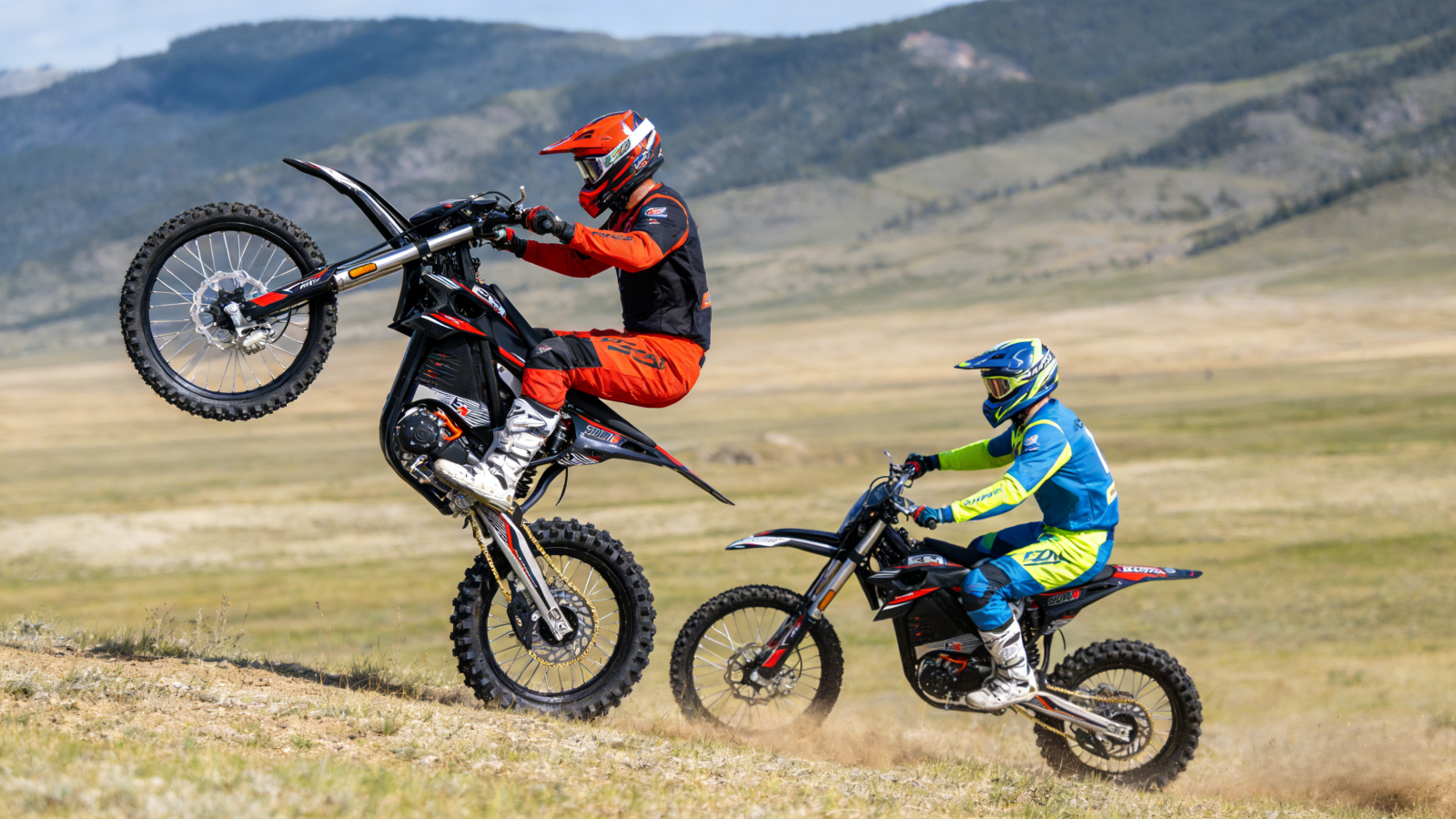

Off-road riding on electric dirt bikes is an exhilarating adventure that combines the thrill of exploration with the quiet efficiency of electric power. For beginners, understanding the basics of electric dirt bikes and mastering fundamental riding skills are crucial for a safe and enjoyable experience.
This guide will walk you through the essential knowledge and skills you need to get started.
1. Power System
The heart of an electric dirt bike is its electric motor. Understanding how it works is vital. Electric motors convert electrical energy into mechanical energy, providing the power to propel the bike. Key concepts to grasp include:
• Power: Measured in watts or kilowatts, power determines how quickly the bike can accelerate and climb slopes.
• Torque: This is the rotational force generated by the motor. High torque means better acceleration and hill-climbing ability.
• RPM (Revolutions Per Minute): This indicates how fast the motor spins. A higher RPM can lead to higher top speeds but may also affect torque.
For beginners, a bike with a balanced power and torque output is, ideal as it provides manageable acceleration and control.
2. Battery
The battery is the energy source that powers the motor. Modern electric dirt bikes often use high-capacity, high-energy-density batteries, such as lithium-ion or lithium-polymer batteries. These batteries have several advantages:
• Longer Range: Higher energy density means more power stored in a smaller and lighter package, extending the bike’s range.
• Faster Recharge: Modern batteries can charge quickly, reducing downtime between rides.
• Weight Distribution: Properly placed batteries can improve the bike’s balance and handling.
Understanding your bike’s battery capacity (measured in watt-hours) and its estimated range will help you plan your rides and avoid running out of power in the middle of nowhere.
3. Tires
The tires are your bike’s only contact with the ground, and their design significantly impacts performance. Wide tires are a common feature on electric dirt bikes for several reasons:
• Increased Traction: Wider contact patches provide better grip on loose and uneven terrain, reducing the risk of slipping.
• Improved Stability: Wider tires enhance the bike’s stability at high speeds and during turns, making it easier to control.
Choosing the right tire tread pattern for your riding conditions (e.g., mud, sand, or rocky trails) is also essential for optimal performance.
4. Steering System
Steering is crucial for navigating the unpredictable terrain of off-road riding. Electric dirt bikes often incorporate advanced steering systems that can assist with handling:
• Motor Assistance: Some electric dirt bikes use the motor to provide subtle steering assistance, making it easier to turn and maintain balance at low speeds.
• Responsive Steering: Modern bikes have quick-steering systems that allow riders to make precise adjustments quickly.
Learning proper steering techniques, such as looking in the direction you want to go and using your body weight to lean into turns, will significantly enhance your control and safety.
5. Suspension System
Suspension is what absorbs the bumps and shocks of off-road riding, providing comfort and maintaining traction. There are two main types of suspension:
• Hard Suspension: Designed for rough, rocky terrain, hard suspension provides more stiffness and support, preventing the bike from bottoming out.
• Soft Suspension: Better suited for smoother trails, soft suspension offers a more comfortable ride and better traction on loose surfaces.
Adjusting the suspension settings according to your weight, riding style, and terrain can greatly improve your riding experience. Beginners should start with a middle-ground setting and experiment gradually.
6. Braking System
Effective braking is essential for safety. Most electric dirt bikes use hydraulic brake systems, which offer several advantages:
• Powerful Braking: Hydraulic brakes provide strong and consistent braking power, even in wet conditions.
• Ease of Use: They require less hand strength compared to mechanical brakes, making them ideal for beginners.
Understanding the materials used in brake pads is also important. Semi-metallic pads offer a good balance of stopping power and durability, while ceramic pads provide better performance in wet conditions but may be more expensive.
7. Riding Techniques
Mastering the basics of riding an electric dirt bike takes practice and patience. Key techniques include:
• Throttle Control: Smooth and precise throttle inputs are crucial for maintaining speed and traction. Avoid sudden throttle changes, especially on loose surfaces.
• Body Position: Proper body posture is essential for maintaining control. Keep your knees bent, elbows up, and weight centered over the bike. Leaning forward desc onents and backward on ascents helps maintain balance.
• Suspension Adjustment: Learning to adjust your suspension settings based on terrain and riding conditions can significantly enhance your comfort and control.
Practice in a controlled environment, such as a dirt lot or beginner trail, before venturing into more challenging terrain.
8. Safety Measures
Safety should always be a top priority when riding off-road. Here are some key considerations:
• Weather Conditions: Riding in extreme weather (e.g., heavy rain or snow) requires extra caution. Wet conditions can reduce traction and visibility, so adjust your speed and riding style accordingly.
• Correct Riding Posture: Maintaining a balanced and relaxed posture helps you react quickly to obstacles and changes in terrain. Always wear appropriate protective gear, including a helmet, gloves, and body armor.
9. Maintenance and Care
Regular maintenance is essential for ensuring your electric dirt bike performs reliably and safely. Key areas to focus on include:
• Motor and Battery: Regularly inspect the motor and battery for signs of wear or damage. Keep the battery charged and avoid extreme temperatures, which can shorten its lifespan.
• Common Issues: Familiarize yourself with common problems, such as flat tires, loose bolts, or brake issues. Knowing how to perform basic repairs can save you from a stranded situation.
Conclusion
Getting started with electric dirt biking can be an exciting and rewarding experience. By understanding the basics of your bike’s power system, suspension, steering, and braking, and mastering fundamental riding techniques, you’ll be well on your way to enjoying safe and thrilling off-road adventures. Remember, practice makes perfect, so take your time, stay safe, and have fun exploring the great outdoors!
Related searches for high speed Electric dirt Bike